I just finished a very nice little book by Douglas Edwards about the philosophy of properties, appropriately titled Properties. The arguments Edwards covers are entirely from the analytical side of the fence, most of which are from the past forty years or so. I was familiar with some of the arguments and unfamiliar with others. But even if you are well versed in this area, I’d still recommend the book because of the masterful way Edwards put the various approaches into conversation with one another. Properties is designed primarily as an introductory text, so it’s plenty accessible to the uninitiated too, and Edwards provides excellent definitions and examples for key concepts before discussing them in the context of existing arguments.

That’s as far as I want to go by way of a review. I really want to record some thoughts I had about properties and predicates as I was making my way through the book.

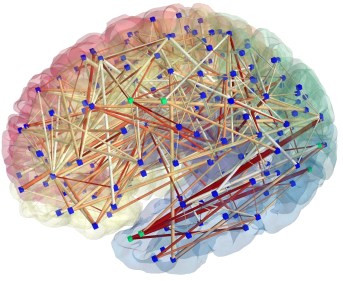 There’s a part in The Being of Analogy where I claim I don’t really know what “scientism” is supposed to mean. That was a bit of disingenuous rhetorical flourish used to distance myself from the term, and I probably shouldn’t have said it. I know perfectly well what it means and why it exists, but I’m still uncomfortable with it. I’ve been uncomfortable with “scientism” ever since I made the transition in graduate school from physical anthropology to English studies, which is when I first encountered the term. I identified then as a lone scientist besieged by an army of deconstructionists, and, as such, “scientism” smacked of glib, kneejerk anti-intellectualism. It still feels pretty kneejerk to me, but I no longer see it as glib or anti-intellectual. My beef with it now is that it’s too ambiguous and it’s often a gateway to either hypocrisy or disengagement with science.
 Noah Roderick